What Is a Live Dealer Casino and How Does It Work?
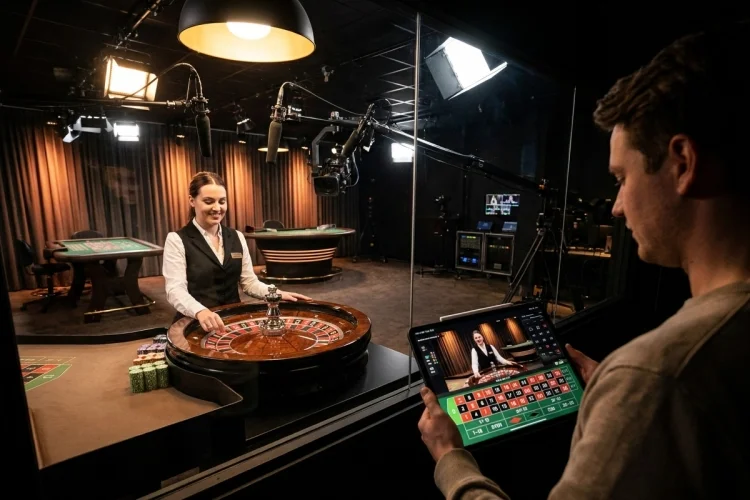
A live dealer casino combines the accessibility of online gaming with several elements found at a physical casino. Instead of watching fully animated cards or roulette wheels, players see a real dealer operating actual gaming equipment through a live video stream.
The player still places wagers through a computer or mobile interface. However, the result comes from physical cards, a real roulette wheel, dice, or another piece of studio equipment rather than being created entirely by an animated game.
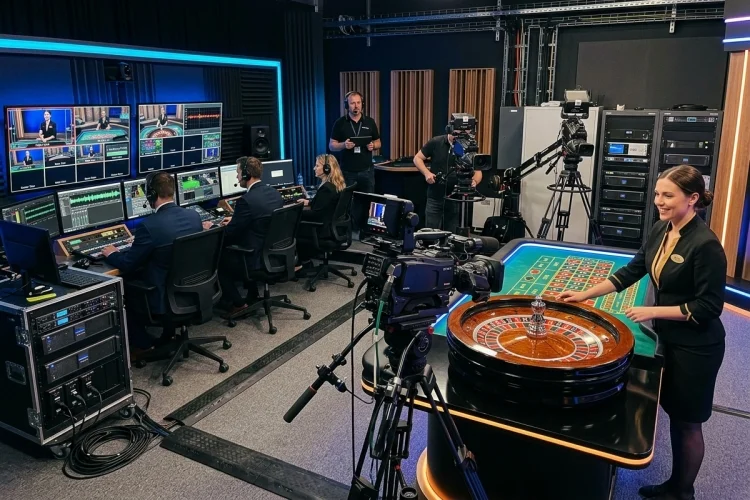
Understanding what a live dealer casino is and how it works requires looking at both sides of the experience. On one side is a professionally operated studio with dealers, cameras, tables, lighting, and monitoring systems.
On the other is a digital interface that accepts bets, displays game information, and updates account balances.
Live dealer games remain gambling products with a built-in risk of financial loss. Availability and regulation differ by jurisdiction, so users should confirm local laws and verify the operator’s licence before participating.
What Is a Live Dealer Casino?
A live dealer casino is an online gaming service that broadcasts table games from a dedicated studio or approved physical casino floor. Players watch the action in real time while submitting their decisions through an interactive interface.
Common live games include blackjack, roulette, baccarat, casino poker variants, craps, and game-show-style products. Evolution’s current live portfolio, for example, includes classic table games as well as hosted game shows containing bonus rounds and multiplier features.
The person running the game may be called a dealer, croupier, host, or game presenter, depending on the product.
How a Live Game Begins
A player first selects an available table and chooses an approved chip value. The interface displays the table limits, available betting positions, and the time remaining before bets close.
In roulette, the player selects numbers or outside categories before the croupier announces that betting has ended. In blackjack, the player places an initial wager and later chooses actions such as hit, stand, split, or double when permitted.
Remote gambling systems are expected to show clear information about the amount being wagered, including conversions between money, credits, chips, or other digital tokens.
How the Physical Result Reaches the Screen
The result is produced using physical equipment. Cards are dealt from a real shoe, a roulette ball lands in an actual wheel pocket, or dice settle on the table.
Cameras capture the action from several useful angles. Recognition systems and table sensors convert physical events into information that the casino software can understand.
For example, optical character recognition can identify cards or roulette results and send the information to the digital interface. A game control unit coordinates table activity, video data, and player decisions so that bets can be settled correctly.
What Happens to the Player’s Bet?
Once betting closes, the platform records each accepted wager. The player can then watch the dealer complete the round.
After the physical result is confirmed, the software compares it with the recorded wagers. Losing stakes are removed, while qualifying payments are credited to the player’s casino balance.
The digital system handles these calculations even though the result itself comes from the physical table. This combination of physical gameplay and automated settlement allows many remote users to participate in one broadcast.
Live Dealer Games vs. RNG Games
A standard digital casino game generally uses software and a random number generator to create each outcome. Its cards, wheel, and dealer may be entirely animated.
A live dealer game uses real equipment to determine the result. The UK Gambling Commission specifically distinguishes live dealer products from RNG-driven games because live games rely on physical cards, roulette wheels, and operational integrity controls.
This does not mean one format guarantees better results. The difference concerns how the outcome is produced and presented, not whether the player can consistently win.
How Live Dealer Studios Are Operated
A live casino studio resembles a broadcasting facility as much as a traditional casino. It may contain cameras, microphones, professional lighting, monitors, gaming tables, technical staff, and trained presenters.
Playtech describes operating dedicated studios in Europe, the United States, and Latin America. Its Michigan studio streams games including roulette, blackjack, baccarat, and a scalable blackjack format designed to accommodate many participants.
Some tables are shared across several casino operators. Others are dedicated to one operator and may use customized branding, opening hours, languages, or table designs.
How Fairness Is Controlled
A live dealer studio should not rely solely on the appearance of transparency. Regulated operations require documented controls over equipment, procedures, recording, security, and dispute investigation.
British technical standards state that live dealer operations must be fair and independently auditable. Equipment and consumable items, including cards and roulette equipment, should be suitable for their purpose and controlled appropriately.
Regulators may also expect controls covering installation, maintenance, surveillance, game records, and the continued operation of physical equipment.
How to Approach Live Dealer Games Responsibly
Before joining a table, check the minimum stake and the possible cost of additional actions. A blackjack hand may require extra money when splitting or doubling, while roulette allows several chips to be placed during one round.
Live games can feel social and immersive, which may make time pass unnoticed. Regulated remote systems may provide reality checks to help customers monitor how long they have been gambling.
Set a financial limit and session duration before opening the table. Do not raise either limit because of a losing sequence.
A live dealer casino streams real table action to online players while using software to record wagers, display decisions, and settle results. Physical cards, wheels, or dice determine the outcome, while cameras, recognition technology, sensors, and game-control systems connect the studio to the digital interface.
This format provides more visible human interaction than a fully automated game, but it does not remove the house advantage or the risk of losing money.
Before participating, verify the casino’s licence, read the table rules, inspect betting limits, and understand how connection problems or disputed rounds are handled. Use available account controls and stop when the predetermined time or spending limit is reached.